Reported
Harvesting at night
Buds are picked after dark so they are still closed when packed. Pickers work by headlamp in dense, waist-high beds.
Vaftsy AI & Robotics · Engineering-led innovation
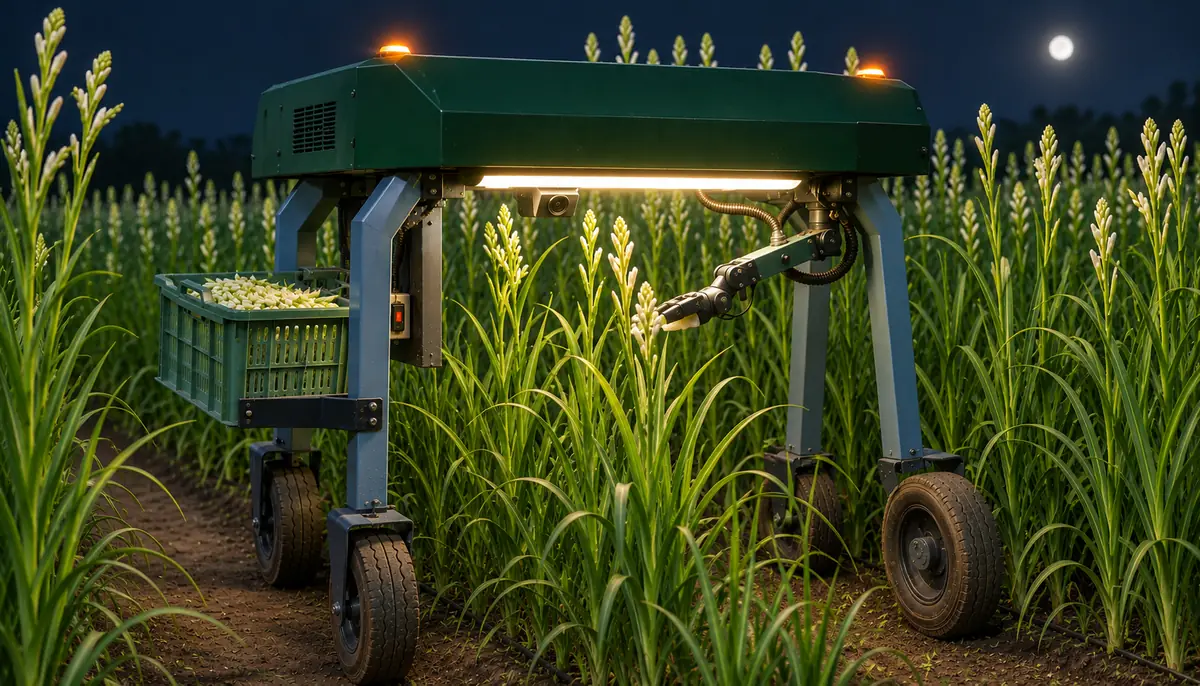
Bringing together engineering, artificial intelligence and robotics to solve real-world agricultural challenges. We are developing a machine designed to pick nishigandha (tuberose) buds at night, at the right stage, without damaging them.
Status: concept and research stage · no robot built yet
The problem
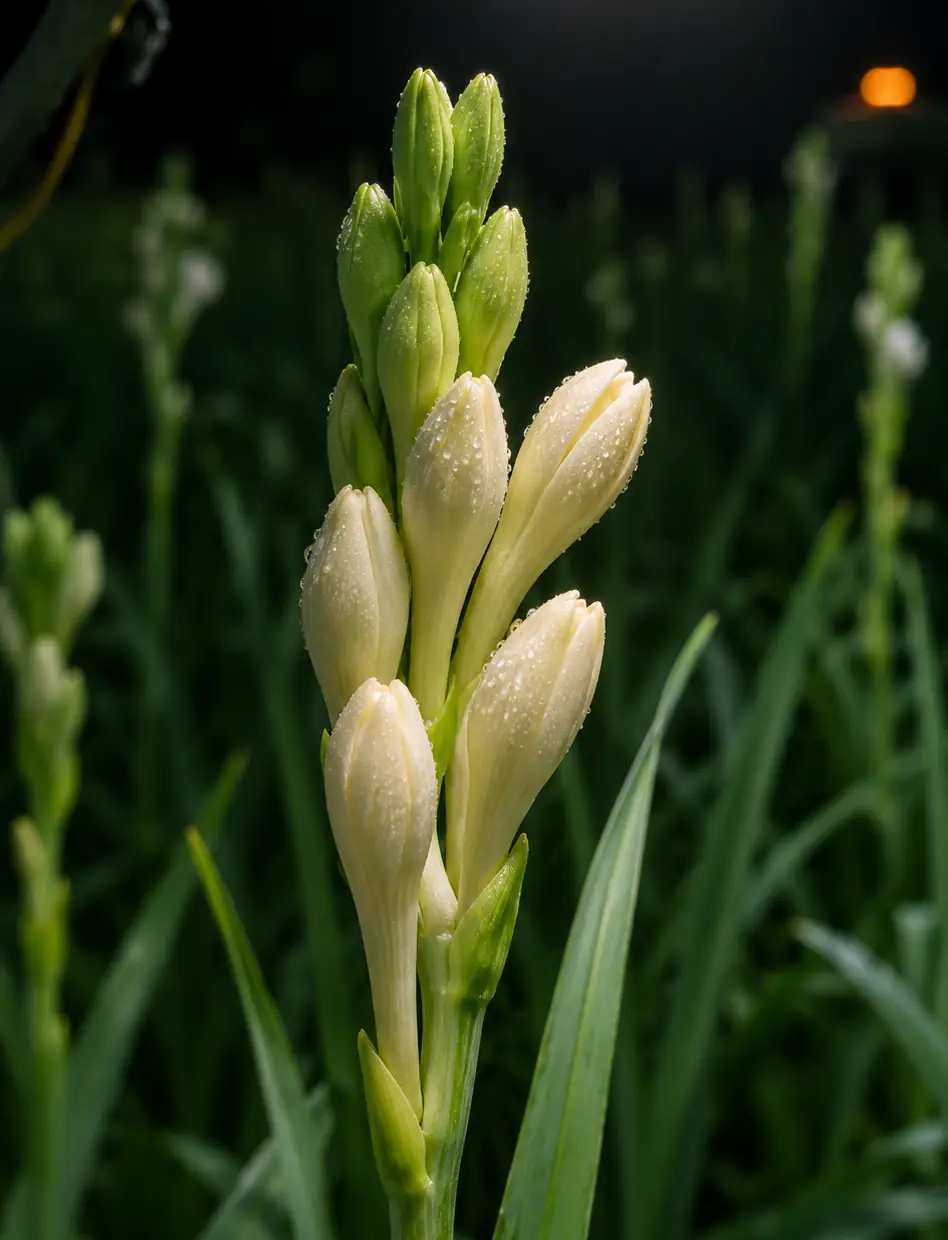
Nishigandha is harvested at night as closed buds that are just about to open. Picked, packed and trucked for 4–5 hours, they open as they reach the market. The whole system depends on people picking the right buds, by hand, in the dark.
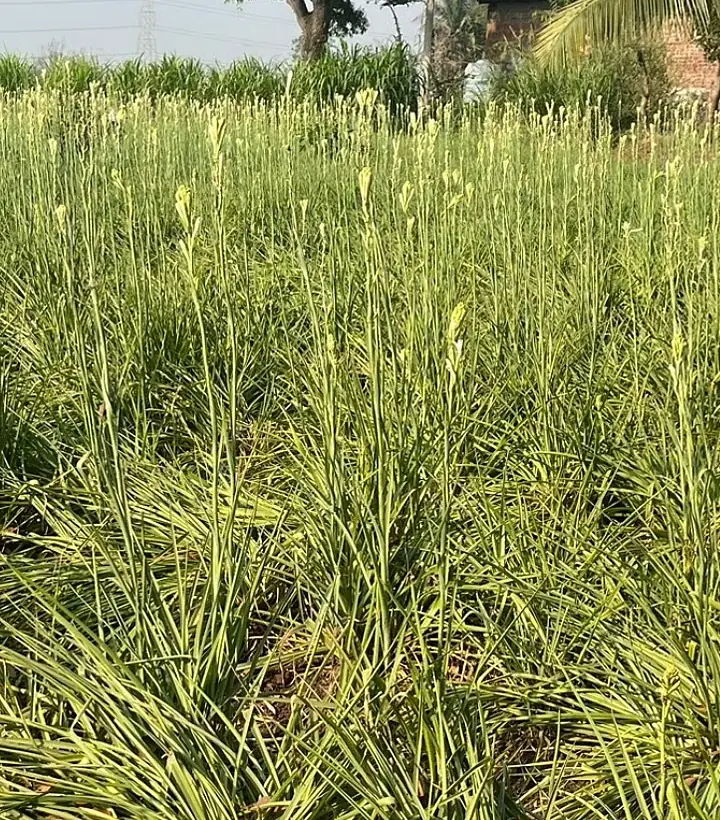

Grower photographs. A single spike carries buds at several stages, so each one has to be judged on its own.
Buds are picked after dark so they are still closed when packed. Pickers work by headlamp in dense, waist-high beds.
Growers report 11–12 kg per picker in a 4-hour night shift. Night labour is hard to find, and output falls as pickers tire.
Growers estimate that about 10% of picked flowers are written off after handling damage, and rough picking harms the buds still on the spike.
The journey from farm to market sets the clock. A bud is only right if it opens in that window, not before and not after.
The same night's harvest, followed from the field to the market for buds picked at three different stages.
Simplified illustration based on grower descriptions. The AI task is to predict, for every bud, when it will open, and pick only those that will open during transport.
Why this needs both engineering and AI. A vision model can judge which buds are ready. Only a well-engineered machine can drive the bed at night, reach that bud and store it without bruising it or the buds around it.
The technology
Select a capability to see what it does. Every part is at concept stage today.
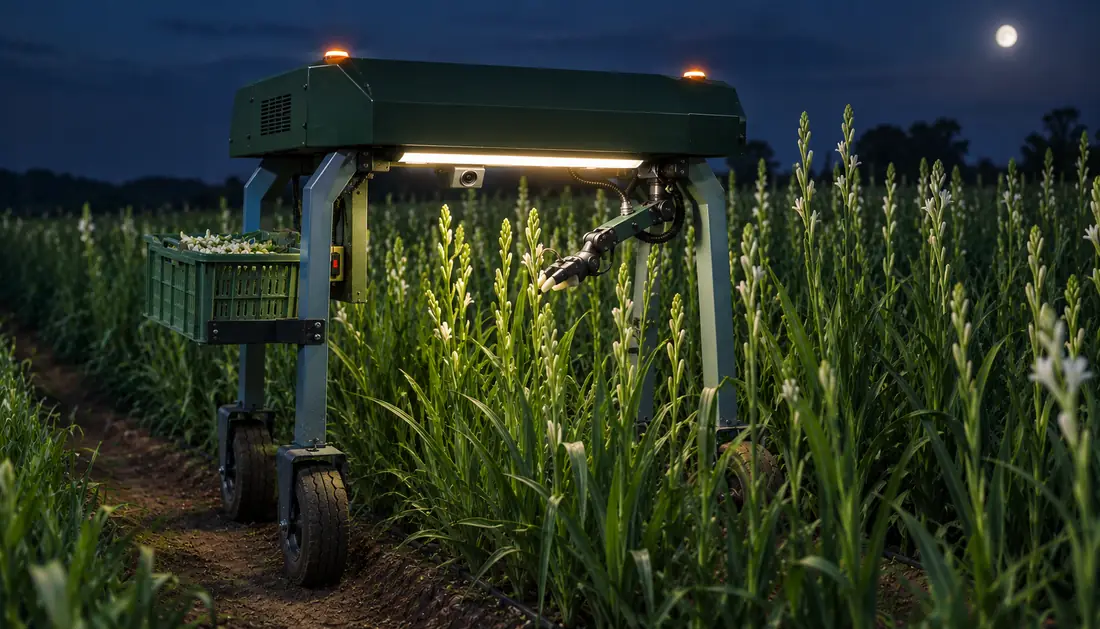 Concept visualisation · straddle chassis
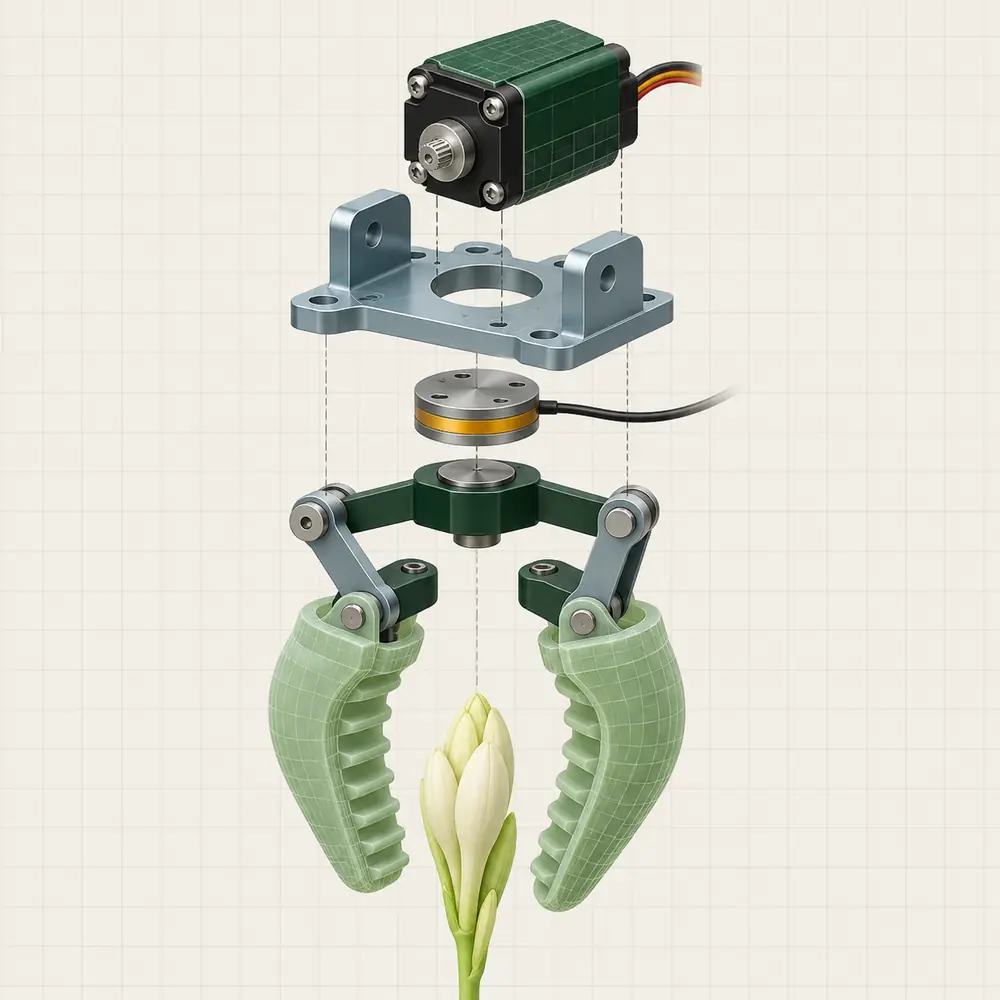
Engineering is our foundation
Vaftsy AI & Robotics is part of Vaftsy, an engineering company practising since 2001. Our in-house CAE, mechanical, electrical and civil teams let us design and validate the complete robotic platform under one engineering organisation.
Vaftsy Engineering is our parent company: integrated systems, CAE, civil and electrical engineering services.
Explore Vaftsy EngineeringChassis, frames and mechanisms designed for field loads.
Stress, vibration and dynamics checked before metal is cut.
Power, drives, wiring and controls for machines that run all night.
Mobility, arm, gripper and storage brought together as one machine.
Bud recognition, maturity classification and bloom-time prediction.
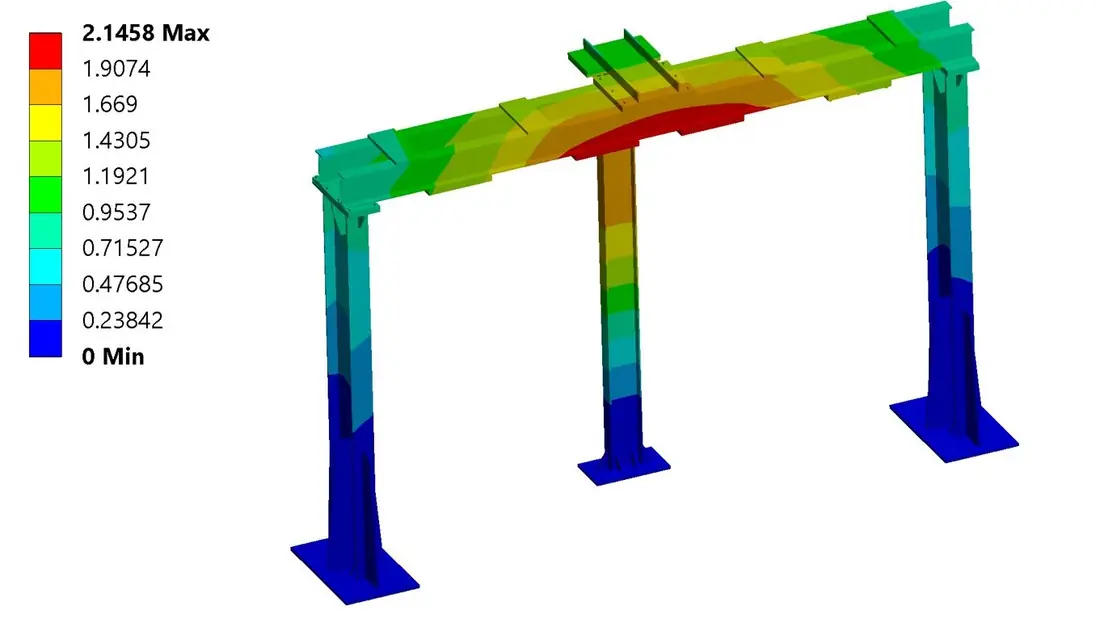
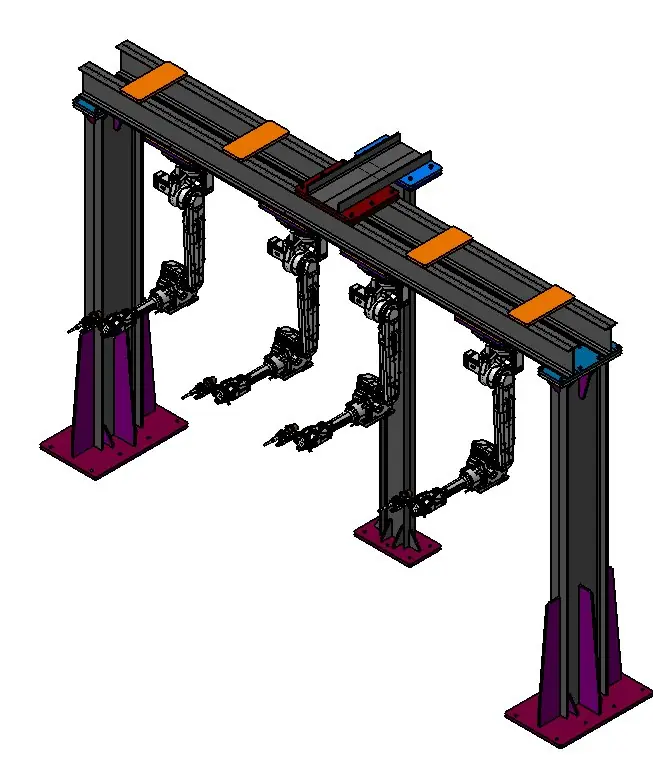
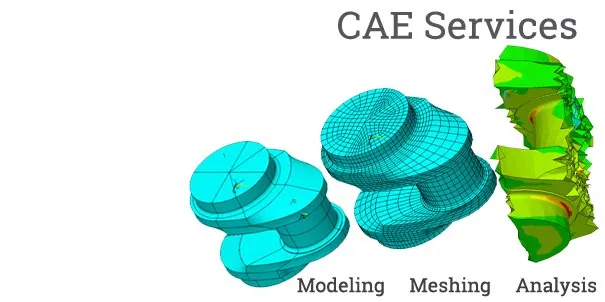
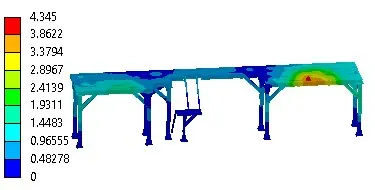
Selected work from Vaftsy CAE projects. Client names and project details are withheld.
The team
Head, AI & Robotics
M.S. Mechanical Engineering, University of Texas at Arlington. 18+ years in engineering and simulation. Author of First Steps in Artificial Intelligence and First Steps in Python.
Development journey
We are at the start. Nothing has been built yet, and no robot is in commercial use. We will mark each stage complete here, with evidence, as we reach it.
Studying the night harvest with growers; defining the machine and its subsystems.
Night images of buds at every stage; first maturity and bloom-time models.
CAD of chassis, arm and gripper; structural and dynamic simulation.
Mobility, vision, manipulation and control integrated; bench trials.
Pilot plots with growers: output, picking accuracy, damage and uptime measured.
First paying growers, once the economics are proven in the field.
Months count from the start of the funded programme in 2027. Stages 4 to 6 are targets, not commitments, and will move if the evidence says they should.
CAD screenshots and test photographs will appear here as each stage produces them.
Where we are going
We are focused on one hard problem. The platform is being designed so that more tasks and crops could be added later as separate modules.
A straddle-type machine designed to drive the bed at night, find buds that will open in transit, and pick them into on-board storage.
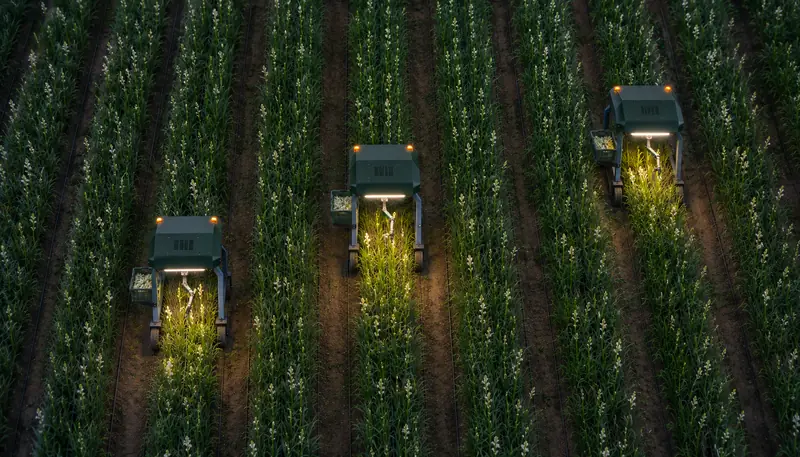
Proposed capability: two to three robots per field could work under one central coordinator, which would assign rows, track progress and log each night's harvest. This is a design direction, not an existing system.
A spraying module for the same chassis, guided by the vision system.
Precise dosing along the bed, between harvest nights.
Other flowers grown in beds, once nishigandha is proven.
Work with us
Email us and mention which of these fits you best. We reply from the Vaftsy AI & Robotics team in Pune.
Explore a field pilot. Host a pilot plot and help shape how beds are laid out for a robot.
Suggested subjectField pilot enquiry
Collaborate on technology validation, bud maturity and post-harvest behaviour.
Suggested subjectResearch collaboration
Discuss the development opportunity: prototype development and field trials.
Suggested subjectInvestment discussion
This website does not use cookies, analytics or tracking, and it has no forms. We do not collect personal data through the site.
If you email us at ai@vaftsy.com, we use your name, address and message only to reply and to follow up on your enquiry. We do not sell or share them, and you can ask us to delete them at any time by writing to the same address.
Fonts are loaded from Google Fonts, so your browser connects to Google's servers, which receive your IP address as part of that request.
Vaftsy, Pune, Maharashtra, India · Last updated November 2026